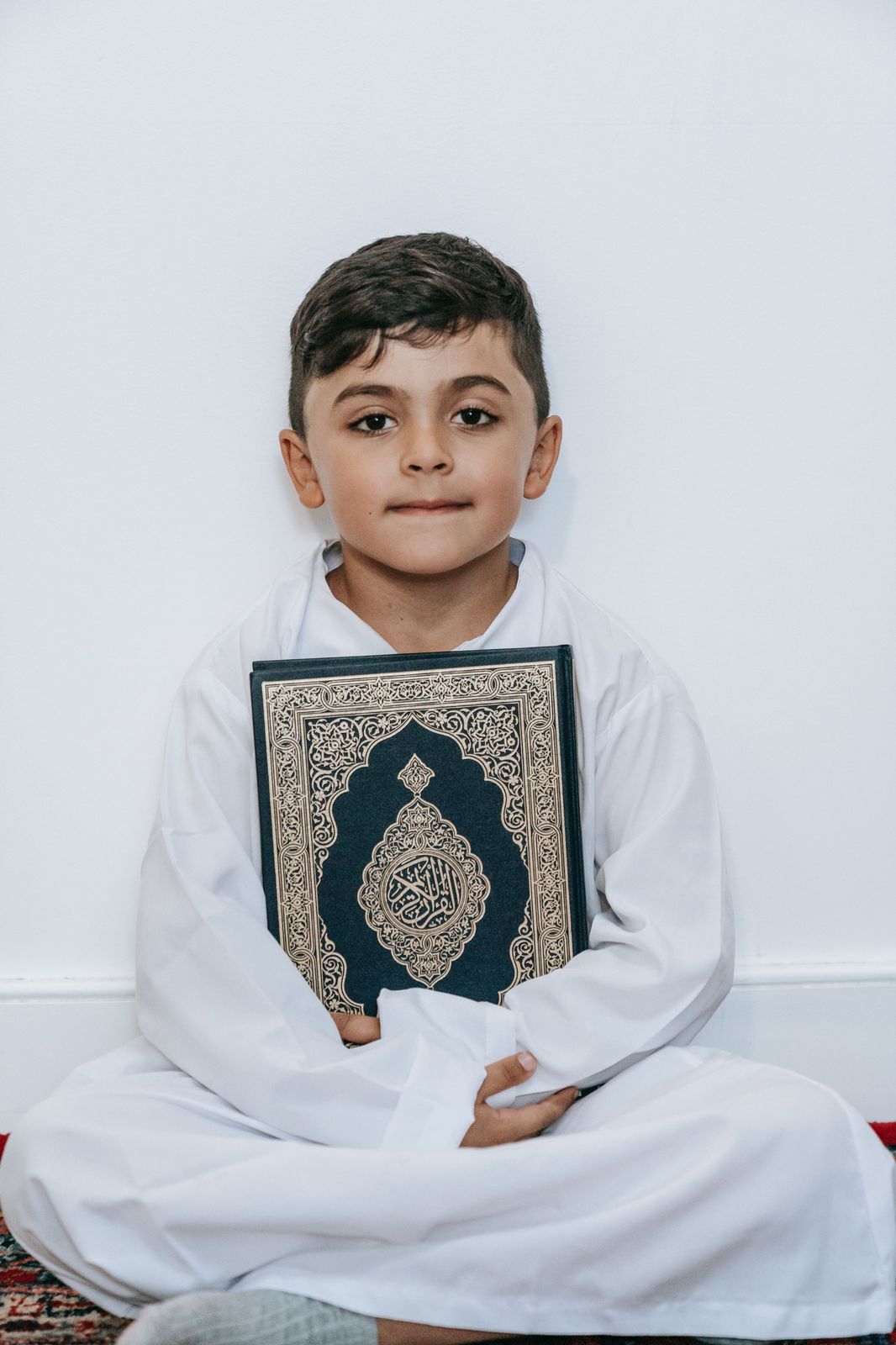
Many parents focus exclusively on Quran recitation when thinking about their children's Islamic education — and while learning to read the Quran correctly is foundational, children who learn alongside it often develop a far stronger, more personally meaningful relationship with their faith.
Quran Recitation Without Context
A child who can recite Surah Al-Fatiha perfectly but doesn't know who the Prophets are, why we pray, or what the words of the Surah actually mean, has developed a skill without a framework. Recitation is powerful — but understanding transforms it.
The Stories That Stick
Children absorb moral and spiritual lessons most effectively through narrative. The stories of the Prophets — Ibrahim (AS), Musa (AS), Isa (AS), Muhammad (SAW) — are not just historical accounts. They are the Quran's own teaching method: lessons wrapped in stories that stay with a child for life.
Daily Practice, Not Just Classroom Knowledge
Islamic Studies at its best is practical — it teaches children the duas they say before eating, the adab (etiquette) they bring to every interaction, the understanding of why they pray and what the words mean. This kind of integrated learning builds Muslim identity far more robustly than recitation alone.
Age-Appropriate, Engaging Delivery Matters
The key difference between Islamic Studies classes that children love and ones they endure is delivery. Classes designed for children use storytelling, visuals, interactive questions, and age-appropriate examples — turning abstract concepts into vivid, memorable experiences.
At Qalbi Quran Academy, our Islamic Studies classes run alongside Quran programs, designed for children from age 4 through teens. Book a 3-day free trial and see how Islamic Studies can complement and enrich your child's Quran learning.